Baking at 6,000 Feet: Your Complete High Altitude Guide
Introduction
Baking at 6,000 feet presents unique challenges that sea-level recipes cannot address. At this elevation, atmospheric pressure drops significantly, water boils at approximately 201.2°F instead of 212°F, and leavening gases expand faster than your baked goods’ structure can support them. This guide provides science-backed adjustments, tested recipes, and expert techniques calibrated for 6,000 feet.
The Science of Baking at 6,000 Feet
At 6,000 feet, atmospheric pressure is approximately 79.0% of sea-level pressure. This affects three critical variables:
1. Leavening Gas Expansion
Carbon dioxide and steam expand approximately 1.9x faster than at sea level, causing over-rise and collapse.
2. Accelerated Moisture Loss
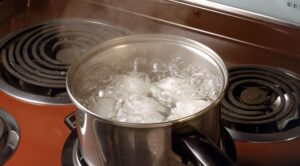
Water boils at 201.2°F—10.8°F lower than sea level. Steam forms earlier and evaporates faster.
3. Faster Structural Set
Proteins coagulate and starches gelatinize at similar temperatures, but the competing effects create a narrower window for proper structure.
Four-Parameter Adjustment Framework
| Parameter | Adjustment at 6,000 ft | Rationale |
|---|---|---|
| Flour | +4 tbsp per cup | Strengthens gluten network |
| Liquid | +4-5 tbsp per cup | Compensates for faster evaporation |
| Sugar | -4 tbsp per cup | Reduces osmotic pressure |
| Leavening | -1/4 tsp per tsp | Slows gas expansion |
| Oven Temp | +35-40°F | Accelerates structural set |
Recipe Adjustments by Baked Good Type
Cakes at 6,000 Feet
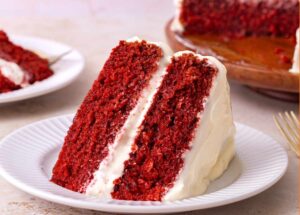
- Reduce baking powder by 1/4 tsp per teaspoon
- Add 4 extra tablespoons flour per cup
- Increase liquid by 4-5 tablespoons per cup
- Reduce sugar by 4 tablespoon per cup
- Raise oven temperature by 35°F
- Check doneness 5-8 minutes earlier
Cookies at 6,000 Feet
- Reduce sugar by 4 teaspoon per cup
- Add 4 extra tablespoon flour
- Chill dough 30+ minutes before baking
- Raise oven temperature by 35°F
- Reduce baking time by 1-2 minutes
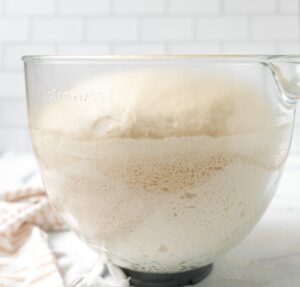
Bread at 6,000 Feet
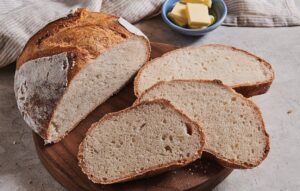
- Reduce yeast by 25-30%
- Check dough 25-35% sooner
- Proof to 1.5x volume (not double)
- Use cooler proofing (72-75°F)
- Punch down twice for flavor development
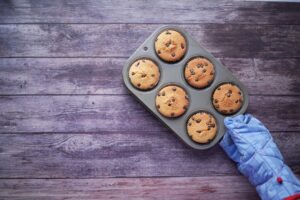
Muffins at 6,000 Feet
- Reduce baking powder by 1/4 tsp per teaspoon
- Add 4 tablespoon extra flour per cup
- Increase liquid by 4 tablespoon per cup
- Fill cups only 2/3 full
- Check doneness 3-5 minutes early
Equipment Recommendations
- Digital kitchen scale (0.1g precision): Volume measures vary 20% by humidity
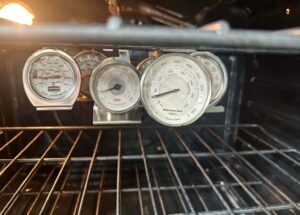
- Oven thermometer: 68% of home ovens are off by ≥25°F
- Parchment paper: Low-pressure environments reduce fat adhesion
- Bake-even strips: Help cakes rise evenly
Seasonal Considerations
Summer: Apply more leavening reduction, add extra liquid, watch proofing times.
Winter: Dry air increases flour absorption; may need slightly less added flour.
Tested Recipe: Classic Vanilla Layer Cake
Ingredients: 2 cups + 4 tbsp flour, 1 1/4 cups sugar, 2 1/2 tsp baking powder, 3/4 cup milk + 4 tbsp, 1/2 cup butter, 2 eggs + 1 yolk, 2 tsp vanilla.
Bake at 385°F for 25-30 minutes until 205-210°F internal.
Troubleshooting
| Problem | Cause | Solution |
|---|---|---|
| Cake sinks | Over-expanded gases | Reduce leavening, increase flour |
| Dry texture | Excessive moisture loss | Add more liquid, use buttermilk |
| Cookies spread thin | Sugar concentration + low pressure | Reduce sugar, chill dough |
| Dense bread | Over-proofed | Reduce yeast, check earlier |
| Peaked muffins | Excess leavening | Reduce BP, don’t overmix |
FAQ
Q: How do I know my exact altitude? Use NOAA’s Elevation Finder (elevation.nationalmap.gov).
Q: Can I use sea-level recipes without changes? At 6,000 feet, most recipes produce noticeably different results.
Q: Do convection ovens work? Avoid convection unless specified—forced air accelerates drying by 35%.
Q: How to adjust boxed mixes? Add 4 tbsp flour + 4 tsp buttermilk + 1 extra egg yolk; bake at 385°F.
Conclusion
Baking at 6,000 feet requires understanding lower atmospheric pressure, reduced boiling points, and accelerated moisture loss. By adjusting flour, liquid, sugar, and leavening while monitoring temperature, you achieve bakery-quality results at any altitude.