Baking Above 7000 Feet: Your Ultimate Guide to High-Altitude Success
Introduction
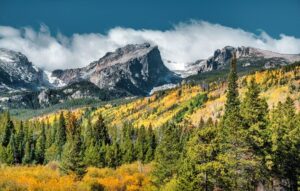
Living at elevation offers breathtaking views, invigorating air, and a unique lifestyle. However, for those with a passion for baking, the thinner air and lower atmospheric pressure found at altitudes above 7,000 feet can transform a beloved recipe into a perplexing challenge. Cakes may collapse, cookies might spread too thin, and bread could refuse to rise. But don’t despair! Baking above 7000 feet doesn’t have to be a source of frustration; with the right knowledge and a few key adjustments, you can achieve delicious, consistent results every time.
At Peak Altitude Baking, we understand the nuances of mountain baking. This comprehensive guide will demystify the science behind high-altitude baking, provide actionable tips, and equip you with the confidence to master your kitchen at elevations typically found in stunning mountain towns and ranges. Get ready to turn those baking blunders into triumphs and enjoy perfectly baked goods, no matter how high you live.
The Science of Baking Above 7000 Feet
Lower Air Pressure: The Primary Challenge
The most significant factor impacting baking above 7000 feet is lower atmospheric pressure. As you ascend, the air becomes thinner, meaning there’s less pressure pushing down on your ingredients. This has several key effects:
- Gases Expand More Readily: Leavening agents (baking soda, baking powder, yeast) produce gas (carbon dioxide) to make baked goods rise. At lower pressure, these gases expand more rapidly and to a greater extent. Without proper adjustments, this can cause your baked goods to rise too quickly and then collapse, resulting in a coarse, crumbly texture.
- Liquids Evaporate Faster: Water boils at a lower temperature at higher altitudes. At sea level, water boils at 212°F (100°C); at 7,000 feet, it boils around 198°F (92°C). This means moisture evaporates more quickly from your batter or dough, leading to drier products and potentially altering the cooking time and internal structure.
- Sugars Become More Concentrated: With faster liquid evaporation, the concentration of sugar in your recipe increases, which can weaken the structure of your baked goods and lead to excessive browning.
Dryer Air and its Impact
Beyond pressure, higher altitudes often come with significantly dryer air. This exacerbates the issue of faster evaporation, making your batters and doughs lose moisture even more rapidly. This can result in:
- Cracked surfaces on cakes and cookies.
- Drier, tougher textures in breads and pastries.
- A need for increased liquids in most recipes to compensate for the moisture loss.
Tested Recipe / Core Content: High Altitude Chocolate Chip Cookies
Let’s put theory into practice with a classic that demonstrates essential high-altitude adjustments for baking above 7000 feet. This recipe is specifically formulated for elevations between 7,000 and 10,000 feet.
Ingredients
- 1 cup (2 sticks) unsalted butter, softened
- ¾ cup granulated sugar (reduced from 1 cup)
- ¾ cup packed light brown sugar (reduced from 1 cup)
- 2 large eggs
- 2 teaspoons vanilla extract
- 2 ¼ cups all-purpose flour (plus 1-2 tbsp if needed)
- 1 teaspoon baking soda (reduced from 1 ¼ tsp)
- ½ teaspoon salt
- 2 cups (12 oz bag) semi-sweet chocolate chips
- 1-2 tablespoons milk or water (added liquid)
Instructions
- Preheat oven to 375°F (190°C), increasing the temperature by 25°F from a standard sea-level recipe. Line baking sheets with parchment paper.
- In a large bowl, cream together the softened butter, granulated sugar, and brown sugar until light and fluffy.
- Beat in the eggs one at a time, then stir in the vanilla extract. Add 1-2 tablespoons of milk or water to the wet ingredients to compensate for increased evaporation.
- In a separate medium bowl, whisk together the flour, baking soda, and salt.
- Gradually add the dry ingredients to the wet ingredients, mixing until just combined. Do not overmix.
- Stir in the chocolate chips until evenly distributed.
- Drop rounded tablespoons of dough onto the prepared baking sheets, leaving about 2 inches between cookies.
- Bake for 9-11 minutes, or until the edges are golden brown and the centers are just set. Watch carefully, as baking times can vary and goods bake faster at high altitude.
- Remove from oven and let cool on the baking sheets for 5 minutes before transferring to a wire rack to cool completely.
Pro Tips for Success
- Increase Oven Temperature: Raising the oven temperature by 15-25°F (for baking above 7000 feet, aim for the higher end) helps baked goods set more quickly before the leavening gases over-expand and cause collapse.
- Reduce Leavening Agents: Cut down on baking powder, baking soda, and yeast. A common adjustment is to reduce baking powder by 1/8 to 1/4 teaspoon per teaspoon used in the recipe, and baking soda similarly.
- Increase Liquids: Add 1-2 tablespoons of extra liquid (water, milk, or a liquid from the recipe) per cup of flour to counteract faster evaporation and prevent dryness.
- Reduce Sugar: Decrease sugar by 1-2 tablespoons per cup. This strengthens the structure, prevents excessive browning, and reduces the risk of collapse due to weakened gluten.
- Increase Flour (Slightly): Sometimes, adding 1-2 tablespoons of extra flour per cup can help strengthen the gluten structure, providing more support for the expanding gases.
- Use Larger Eggs: If a recipe calls for medium or large eggs, consider using large or extra-large eggs to naturally add more liquid and strengthen the structure.
Common Mistakes and How to Avoid Them
| Mistake | Why It Happens | The Fix |
|---|---|---|
| Cakes/muffins collapse in the center | Too much leavening causes rapid, excessive rise, weakening gluten structure. | Reduce baking powder/soda by 1/8 to 1/4 tsp per tsp called for. Increase oven temperature. |
| Baked goods are dry or crumbly | Faster evaporation of liquids and dryer air lead to moisture loss. | Increase liquid (water, milk, etc.) by 1-2 tbsp per cup of flour. |
| Cookies spread too thin | Too much leavening, too much butter/sugar, or not enough flour for structure. | Reduce leavening and sugar. Slightly increase flour (1-2 tbsp per cup). Chill dough. |
| Bread doesn’t rise or is dense | Yeast activity can be unpredictable; dough dries out too fast. | Use slightly less yeast. Increase liquid. Allow for longer, slower rise times in a humid environment. |
Adjustments by Elevation
3,000-4,999 Feet
At these moderate elevations, adjustments are generally minor but can significantly improve results:
- Reduce baking powder/soda by 1/8 teaspoon per teaspoon.
- Increase liquid by 1-2 tablespoons per recipe.
5,000-6,999 Feet
Mid-range altitude requires more noticeable changes to achieve optimal results:
- Reduce baking powder/soda by 1/8 to 1/4 teaspoon per teaspoon.
- Increase liquid by 2-3 tablespoons per recipe, or 1 tablespoon per cup of flour.
- Consider reducing sugar by 1-2 tablespoons per cup.
7,000-10,000 Feet
This is where significant adjustments become critical for successful baking above 7000 feet. Our featured recipe above demonstrates these principles:
- Reduce baking powder/soda by 1/4 to 1/2 teaspoon per teaspoon.
- Increase liquid by 2-4 tablespoons per cup of flour, or 1/4 cup per recipe.
- Reduce sugar by 1-3 tablespoons per cup.
- Increase flour by 1-2 tablespoons per cup.
- Increase oven temperature by 15-25°F (aim for +25°F for most items).
- Reduce baking time by 5-8 minutes, or watch carefully as goods cook faster.
FAQ
Q: Can I just use a high-altitude recipe without any adjustments?
A: While some recipes are specifically developed for high altitude, many standard recipes will need adjustments. Always check the recipe notes. For baking above 7000 feet, it’s almost guaranteed you’ll need to make changes.
Q: Why do my cakes always sink in the middle at high altitude?
A: This is typically due to too much leavening. The gases expand too quickly and vigorously in the lower pressure, overstretching the gluten structure before it has a chance to set, leading to collapse.
Q: Should I change my baking time or temperature?
A: Yes,