High Altitude Baking: Your Ultimate Guide to Perfect Results

Introduction
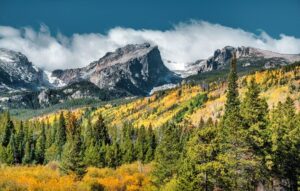
Living at 3,000 feet above sea level or higher brings breathtaking views, fresh air, and a unique set of challenges for the home baker. If you’ve ever experienced the heartbreak of a sunken cake, a dry cookie, or bread that refuses to rise, you’re not alone. These common frustrations are symptoms of a phenomenon known as high altitude baking, where the very air around you impacts your culinary creations. But what if we told you that these baking woes don’t have to be your reality? Welcome to PeakAltitudeBaking.com, your dedicated resource for transforming frustration into triumph.
Our mission is simple yet profound: to eliminate wasted ingredients and baking disappointments by providing accurate, science-based, and easy-to-understand guidance. We believe that true mastery comes not from quick fixes, but from understanding the physics and chemistry behind altitude adjustments. By delving into the ‘why,’ you’ll gain the confidence to adapt any recipe—from any cookbook, blog, or cherished family heirloom—to your specific elevation, ensuring consistently delicious results every time.
What You Need to Know About High Altitude Baking
The Science Behind the Struggle: Why Altitude Matters
The core of successful high altitude baking lies in understanding how atmospheric pressure changes affect ingredients. As you ascend, atmospheric pressure decreases significantly. This single change sets off a chain reaction that impacts every aspect of your baking:
- Lower Boiling Point: Water boils at a lower temperature at higher altitudes. At sea level, water boils at 212°F (100°C), but at 5,000 feet, it boils around 203°F (95°C). This means your baked goods spend less time at the critical temperature required for proper structure and doneness, leading to underbaked interiors.
- Faster Evaporation: With lower atmospheric pressure, liquids evaporate more quickly. This can result in dry, dense baked goods if not compensated for.
- Increased Leavening Action: Leavening agents (baking soda, baking powder, yeast) produce gases that help cakes and breads rise. At higher altitudes, with less air pressure pushing down, these gases expand more rapidly and more forcefully. While this sounds good, it often leads to an over-expansion of air cells, causing the structure to stretch too thin and eventually collapse, resulting in a sunken cake or crumbly texture.
- Sugar Concentration: The faster evaporation of liquids can lead to a higher concentration of sugar in your batter or dough, which can weaken the structure and contribute to collapse or excessive browning.
Understanding these fundamental principles is the first step towards mastering high altitude baking and producing bakery-quality results in your mountain kitchen.
Key Benefits of Mastering High Altitude Baking
Beyond simply avoiding baking disasters, learning the science of high-altitude adjustments offers numerous benefits:
- Consistent Success: Say goodbye to unpredictable outcomes. With the right knowledge, you’ll consistently achieve perfectly risen cakes, chewy cookies, and airy breads.
- Ingredient Savings: No more wasted flour, sugar, or eggs due to failed attempts. You’ll save money and reduce food waste.
- Unleashed Creativity: Confidently tackle any recipe, knowing you have the skills to adapt it. Your culinary horizons will expand significantly.
- Deepened Understanding: Gain a profound appreciation for the science of baking, making you a more knowledgeable and intuitive baker overall.
Core Content / How-To: Mastering High Altitude Adjustments
What You Need for Confident High Altitude Baking
While specialized equipment isn’t always necessary, a few tools and practices will elevate your high-altitude baking experience:
- A Reliable Kitchen Scale: Measuring ingredients by weight (grams) is far more accurate than by volume (cups), especially with flour, which can vary greatly in density depending on how it’s scooped.
- Oven Thermometer: Oven temperatures can fluctuate significantly. An inexpensive oven thermometer ensures your oven is truly at the temperature you set, which is crucial for proper baking at altitude.
- Notebook and Pen: Keep detailed notes of your adjustments and results. This is your personal high-altitude baking log, helping you refine recipes over time.
Step-by-Step Instructions for Adapting Any Recipe
Adapting a recipe for high altitude baking is a systematic process. While specific adjustments vary by elevation and recipe type, here’s a general approach:
- Reduce Leavening: Start by slightly decreasing baking powder, baking soda, or yeast. For every teaspoon of baking powder, reduce by 1/8 to 1/4 teaspoon. For yeast, a 10-25% reduction is a good starting point. This prevents over-expansion and collapse.
- Reduce Sugar: Decrease sugar by 1 to 3 tablespoons for every cup called for. Excess sugar can weaken the structure and cause excessive browning.
- Increase Liquid: Add 1 to 2 tablespoons of liquid (water, milk, etc.) per cup of flour. This combats the increased evaporation and prevents dryness.
- Increase Flour (Slightly, if needed): Sometimes, a small increase in flour (1-2 tablespoons per cup) can help strengthen the structure, especially for cakes and quick breads.
- Increase Baking Temperature & Decrease Time: Often, increasing the oven temperature by 15-25°F (about 8-14°C) and decreasing the baking time by 5-10 minutes can help set the structure more quickly before over-expansion.
Remember, these are starting points. For detailed, elevation-specific adjustments and a deeper dive into the science, explore our comprehensive guides on High Altitude Baking Adjustments and how to Adjust for High Altitude Baking.
Pro Tips & Best Practices
- Know Your Elevation: Precise adjustments depend on your exact altitude. Don’t guess; find out your specific elevation.
- Start Small and Experiment: When adapting a new recipe, make small batches or try minor adjustments first. Keep detailed notes on what works and what doesn’t. Baking is a science, and your kitchen is your lab!
- Always Use an Oven Thermometer: As mentioned, accurate oven temperature is non-negotiable for consistent results, especially when slightly altering baking temperatures.
- Don’t Overmix: Overmixing develops gluten, which can lead to a tougher product, especially in cakes, which need a tender crumb. This is even more pronounced at altitude.
- Embrace the Journey: High-altitude baking is a skill developed over time. Be patient with yourself, learn from every bake, and celebrate your successes. Resources like King Arthur Baking also offer valuable insights into general baking principles that complement high-altitude specific knowledge.
Common Mistakes and How to Avoid Them
- Mistake: Ignoring the need for adjustments.
Why It Happens: Hope that a sea-level recipe will magically work at altitude.
The Fix: Accept that adjustments are necessary. Understand the basic science of why they’re needed, and then consult reliable resources like PeakAltitudeBaking.com. - Mistake: Over-adjusting ingredients, especially leavening.
Why It Happens: Frustration leads to drastic changes, or following anecdotal advice without understanding the ‘why’.
The Fix: Make incremental changes. Start with the recommended starting points (e.g., reduce leavening by 1/8 tsp per tsp) and adjust further in small steps based on your results. - Mistake: Not using an oven thermometer.
Why It Happens: Assuming your oven dial is accurate.
The Fix: Purchase an inexpensive oven thermometer and place it inside your oven. Calibrate your baking temperatures based on its reading, not just your oven’s dial. - Mistake: Giving up after a few failed attempts.
Why It Happens: Baking at altitude can feel daunting, and initial failures can be discouraging.
The Fix: View each bake as a learning opportunity. Keep notes, analyze what went wrong, and use our guides, like Adjustments for High Altitude Baking: Perfect Your Recipes at Any Elevation, to refine your approach. Remember, every expert was once a beginner.
Frequently Asked Questions
Q: What’s the single biggest difference when baking at high altitude compared to sea level?
A: The most significant difference is the lower atmospheric pressure. This affects how leavening agents react, how quickly liquids evaporate, and the boiling point of water, all of which directly impact the structure and texture of your baked goods.
Q: Can I just use a high-altitude specific recipe instead of adapting my own?
A: While high-altitude specific recipes are a great starting point, they are often formulated for a *specific* altitude (e.g., 5,000 feet). For truly perfect results, understanding the principles of adjustment allows you to fine-tune even these recipes to your *exact* elevation, or adapt any recipe you choose. For more, explore The Kitchn’s general baking resources for ideas, then apply your altitude knowledge.
Q: Is there a universal chart for high-altitude baking adjustments?
A: While general guidelines exist, a truly “universal” chart is impossible because optimal adjustments depend not only on your specific elevation but also on the type of recipe (cakes, cookies, breads all behave differently) and even the ingredients themselves. PeakAltitudeBaking.com provides detailed, science-based guidance to help you understand the principles, enabling you to confidently adapt any recipe rather than relying on a one-size-fits-all chart.
Conclusion
High altitude baking doesn’t have to be a source of frustration. By understanding the fundamental science—the ‘why’ behind the adjustments—you gain the power to transform any recipe into a high-altitude success story. From perfectly risen breads to tender, moist cakes, the confidence that comes with this knowledge is truly empowering. At PeakAltitudeBaking.com, we are committed to being your trusted partner on this journey, providing the science-based insights you need to become a confident, capable high-altitude baker. Stop wasting ingredients and start creating masterpieces. Your mountain kitchen awaits!